
I help people who have lost someone to suicide find a place where they can speak the unspeakable, release the guilt, and no longer carry their grief in silence.

“I should have known.”
“What if I had checked on them that day?”
“People must be wondering why I didn’t stop it.”
Grief after suicide carries a different kind of weight. It’s heartbreak tangled with unanswered questions.
You may feel judged, avoided, or even blamed.
And while life outside keeps moving forward, you remain frozen, replaying the what-ifs and wondering if you’ll ever feel steady again.
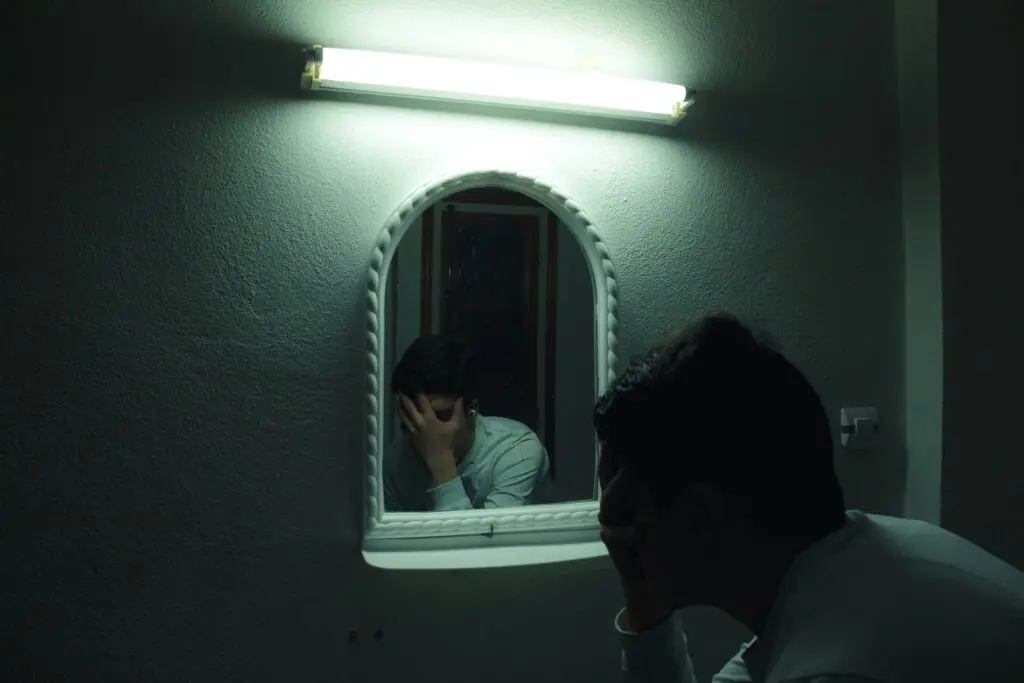


The guilt, the shock, the isolation. These are not flaws in you.
They’re the natural weight of grief colliding with the stigma of suicide.
It may feel impossible right now, but with the right support, you can survive this.
Suicide leaves behind both loss and silence.
It’s not only that your loved one is gone, it’s that the story feels cut short, as if whole chapters are missing and you’ll never get to read them.
You replay every detail, searching for meaning, but there are no clean answers.
You may carry shame about how they died, feel anger at them for leaving, or worry about how others see you because of it.
This collision of grief, trauma, and isolation is why suicide grief feels so heavy, and why it requires more than time to heal.
Grief therapy after suicide loss gives you a place to set down what you’ve been carrying.
You can say the things you’ve been holding back. The guilt, the anger, the endless questions, without worrying about how it will sound or how others will react.
In our sessions, you’ll have room to:
This isn’t about forcing closure. It’s about making space so your grief doesn’t take over every corner of your life.
When you sit with me, you don’t have to edit your story. I can handle the details, the intensity, the rawness.
No feeling is “too much” here.
My role isn’t to steer you away from the pain but to walk with you through it, at a pace your heart can bear.
Clients often describe this time as a release: a chance to let out what feels too heavy to carry alone, and to discover that their grief doesn’t have to control every moment.
In that shared work, you begin to find steady ground beneath the waves.


With time and support, you can:
You won’t “get over” this loss. But you can live forward while still carrying their memory with love.
I’ve walked with many through the devastation of suicide loss. Nothing you say will shock me, and nothing will be minimized.
This work is my calling, and I’d be honored to walk with you as you find your way.